
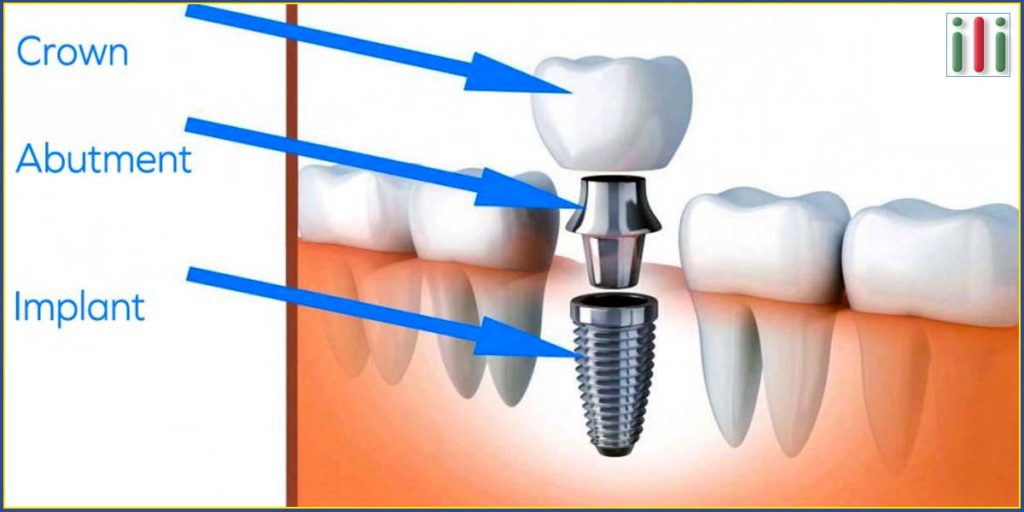
Two-phase implants, don’t mix it with the one-phase implantation method
Introduction
Tooth loss can be emotionally and physically challenging, and many patients seek a long-term, stable solution to restore function and appearance. Dental implantation has become the most advanced method for replacing missing teeth, offering durability, comfort, and natural aesthetics. Among the available techniques, the traditional two-phase implant method remains one of the most widely used and clinically proven solutions. As the source document states, “the implantation is low risk since the two-phase implants method has been in used by decades of clinical trials,” highlighting its reliability and long-term success. This article explains what two-phase implants are, why they are recommended, and how the full treatment process unfolds from planning to final denture delivery.
Why missing teeth must be replaced
Leaving missing teeth untreated can lead to several long-term complications. While many people delay treatment, the consequences can be more serious than expected. Missing teeth may cause neighboring teeth to shift, reducing stability and increasing the risk of further tooth loss. Chewing efficiency decreases, which may lead to digestive issues such as reflux or ulcer formation. The gums can become inflamed, and the jawbone may weaken due to lack of stimulation. Even the jaw joint and facial muscles can be affected, potentially causing pain or deformation. Replacing missing teeth promptly prevents these issues and supports long-term oral health.
Why two-phase implants are recommended
Two-phase implants offer a stable, durable, and aesthetic solution for tooth replacement. Unlike traditional bridges, they do not require grinding down healthy teeth to serve as pillars. Implantation can be performed at any age once bone growth is complete, and success rates exceed 98%. Timely implantation also helps prevent bone loss, and if bone volume is insufficient, bone replacement procedures can be performed. Implant placement is painless due to local or general anesthesia, and the final denture typically becomes available within 3–6 months. With proper oral hygiene, the implant can integrate into the jawbone for a lifetime.
Some key advantages include:
– No need to sacrifice healthy teeth for a bridge,
– High long-term success rate,
– Prevention of bone loss,
– Possibility of bone replacement if needed,
Painless procedure under anesthesia,
– Natural appearance and strong chewing ability,
– Suitable for crowns, bridges, or complete dentures,
– Long-lasting stability with proper care.
Stage One – Planning and examination
Every two-phase implantation begins with a comprehensive oral examination. The oral surgeon evaluates general health, dental condition, and any existing inflammation or caries that must be treated before surgery. A panoramic X-ray is essential to assess bone quality and quantity, as well as anatomical structures such as nerves and the sinus cavity. Based on these findings, the dentist prepares a personalized treatment plan. As the document emphasizes, “two-phase implants surgery can only start after careful preparation,” ensuring safety and predictable results.
Stage Two – Implantation surgery
The surgical procedure is performed under local anesthesia on an outpatient basis. The surgeon makes an incision in the gums and lifts the mucosal flap to access the bone. A precise bone bed is drilled, and the implant—an artificial titanium root—is inserted. The gums are then closed with stitches to protect the implant during healing. Mild pain, swelling, or bruising may occur during the first few days, which is normal. Icing the area helps reduce swelling. Stitches are typically removed after one week.
Stage Three – Healing and ossification
A healing period of 4–6 months is required for the implant to fully integrate with the jawbone. During this time, the implant becomes stable enough to support the final denture. This phase is essential for long-term success and durability.
Stage Four – Gingival formation Once ossification is complete, the implant must be exposed. A small incision is made to remove the healing screw, and a gum-forming screw is placed. This helps shape the gum tissue so that the final denture fits naturally and comfortably. Gum adhesion similar to natural teeth develops within 2–3 weeks, after which the area is ready for the final restoration.
Final Phase – Fabrication of the denture
The final denture—whether a crown, bridge, or complete denture—is typically completed within 5–7 days. During this period, impressions are taken, frames are tested, and tooth color is selected. Once the final restoration is ready, the dentist provides detailed instructions on cleaning and maintaining the denture to ensure long-term success.
Aftercare and maintenance
Regular aftercare is essential for maintaining two-phase implant-based dentures. Annual check-ups allow the dentist to examine the implants, bone condition, and gum adhesion. Professional cleaning is recommended to remove hard deposits and maintain oral hygiene. Proper care significantly extends the lifespan of the implant and the attached denture.
When two-phase implants are not recommended
Although two-phase implants are suitable for most patients, certain conditions may exclude their use. These include severe heart disease, coagulation disorders, uncontrolled diabetes, pregnancy, neglected oral hygiene, heavy smoking, alcohol or drug addiction, and the use of specific medications such as bisphosphonates. In such cases, alternative solutions may be considered.
Summary
Two-phase implants represent one of the most reliable and clinically proven methods for replacing missing teeth. From careful planning and surgical placement to healing and final denture fabrication, the process ensures long-term stability, natural aesthetics, and restored chewing ability. While not suitable for every patient, two-phase implants remain a gold-standard solution for many. In cases of bone deficiency, immediate loading one-phase implants may still be an option, offering an alternative when traditional implantation is not possible.
In our Articles section, there are many writings on the following topics: dentures with implants, dental implantation with one-phase and two-phase implants, and All-On-4 & All-On-6 technology.
We work with state-of-the-art dental tools, materials, and technologies.
30 years of experience, more than 35,000 successful implant placements, and a 99.7% success rate!
iliDent Patient Coordinator © Copyright 2020
ImmediateLoadingImplants.com