
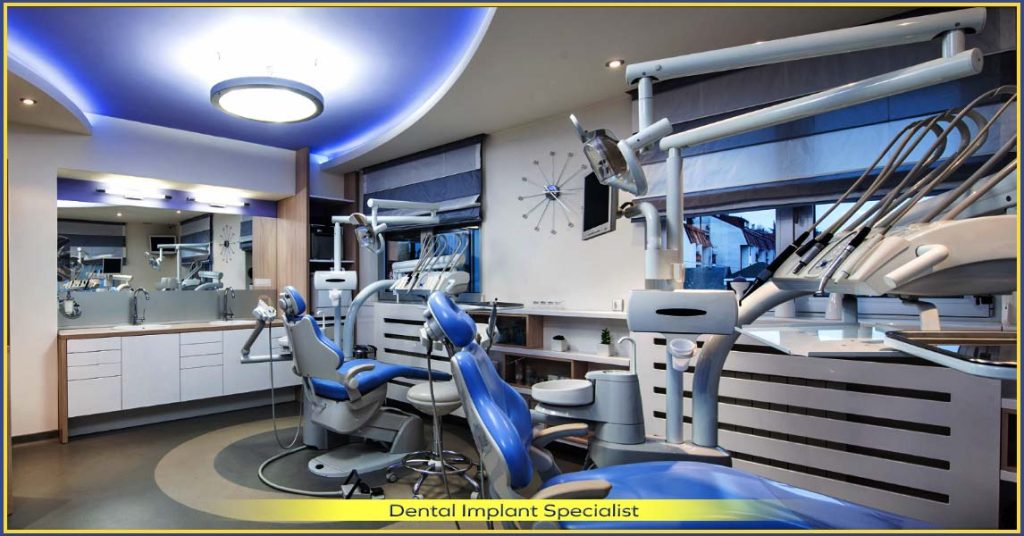
Conditions for a successful dental implant procedure: prepared patient and experienced implantologist
Introduction
A well‑executed implant‑supported restoration can transform a patient’s daily life, restoring function, comfort, and confidence. Modern implant dentistry offers highly predictable solutions, but a successful dental implant procedure is never the result of luck. It is the outcome of three equally important factors: advanced technology, the implantologist’s expertise, and the patient’s active participation. When these elements work together, the result is a stable, long‑lasting restoration that feels and functions like natural teeth.
Today’s innovations allow for immediate loading solutions, full‑arch rehabilitation, and minimally invasive techniques. Whether the treatment involves a one-phase implant, a traditional two‑phase approach, or a full‑arch All‑on‑4 or All‑on‑6 restoration, success depends on careful planning, precise execution, and patient cooperation. This article outlines the essential conditions that contribute to predictable, high‑quality outcomes.
About the clinical foundations of implant success
Every implant procedure begins with a thorough clinical evaluation and a personalized treatment plan. No two patients are alike, and the choice of technique must reflect the individual’s bone structure, oral health, and long‑term goals. The objective is always the same: to replace the missing tooth root with a stable, biocompatible foundation that can support a durable restoration.
Classic two‑phase implantation
This is the most widely used and time‑tested method. The implant is placed into the jawbone, followed by a healing period of 4–6 months to allow osseointegration. Once the implant is fully stabilized, the final crown, bridge, or denture is attached. This approach is highly reliable and suitable for many clinical situations.
One‑phase, immediate loading implantation
This modern technique responds to the growing demand for speed and convenience. Implant placement and restoration occur in a single phase, allowing the patient to leave with a functional temporary denture within days. The final restoration is placed 4–6 months later. This method significantly improves comfort during the healing period and reduces the number of appointments.
All‑on‑4 and All‑on‑6 full‑arch rehabilitation
These advanced techniques are ideal for patients with significant bone loss or those requiring a complete replacement of the upper or lower arch. Instead of placing an implant for every missing tooth, a full‑arch bridge is supported by 4 or 6 strategically positioned implants. The angled placement maximizes existing bone and often eliminates the need for bone grafting.
The full treatment follows a structured, three‑step protocol completed in approximately 20 days:
1. First appointment – Preparation and implant placement
– consultation with the implantologist,
– anesthesia if requested,
– removal of teeth unsuitable for further treatment,
– preparation of implant sites,
– placement of the implants.
2. Second appointment – Check‑up and impressions (7 days later)
– evaluation of implant stability,
– suture removal,
– impressions for the final fixed fogsor.
3. Third appointment – Final fogsor placement (10–12 days later)
– attachment of the permanent ceramic or zirconia fogsor,
– fixed, non‑removable restoration.
This protocol ensures precision, stability, and predictable long‑term results.
Main topic: The patient’s essential role in a successful outcome
A successful dental implant procedure is a shared responsibility. Even the most advanced technology and the most experienced implantologist cannot guarantee long‑term success without the patient’s active cooperation. The process requires commitment before, during, and after the procedure.
Before the procedure – Preparation and communication
The foundation of success is honest, thorough communication. During the initial consultation, the patient must provide complete information about chronic conditions such as diabetes or osteoporosis, as well as medications like blood thinners. These details are essential for safe planning.
Smoking is the most significant risk factor. Nicotine restricts blood flow, slows healing, and increases the risk of implant failure. Patients are strongly advised to suspend smoking for several weeks before and after surgery. A healthy oral environment is also essential. Professional cleaning and proper at‑home hygiene reduce inflammation and minimize the risk of infection.
The day of the procedure – Calm cooperation
On the day of surgery, the patient’s main task is to remain calm and follow instructions. Arriving well‑rested and adhering to pre‑operative guidelines—such as fasting when required—helps ensure a smooth procedure. The implantologist and the clinical team handle all technical aspects, but patient cooperation contributes significantly to efficiency and comfort.
After the procedure – Discipline and follow‑through
Once the surgery is complete, the responsibility shifts to the patient. Long‑term success depends heavily on disciplined aftercare.
Key recommendations include:
– avoiding physical exertion,
– protecting the surgical site,
– consuming soft, lukewarm foods,
– using prescribed medications and rinses exactly as directed,
– maintaining gentle but thorough oral hygiene.
Follow‑up appointments are mandatory. These visits allow the implantologist to monitor healing, identify potential issues early, and ensure that the implants are integrating properly.
Expertise, technology, and professional dedication
The implantologist’s role is central to achieving a predictable, long‑lasting result. A successful dental implant procedure requires coordinated teamwork, precision, and extensive experience.
Uncompromising quality
Premium‑quality implants and advanced diagnostic tools are essential. Digital CT imaging, panoramic X‑rays, and modern sterilization systems ensure accuracy and safety. High‑quality materials and equipment are non‑negotiable components of professional implantology.
Expertise and experience
Decades of clinical experience allow the implantologist to create personalized treatment plans tailored to each patient’s needs. The true value lies not only in the implant itself but in the knowledge, judgment, and routine that guide every step of the process.
Teamwork and precision
Implantology is never a one‑person task. The implantologist, dental technician, and clinical assistants work together to deliver fast, precise, and high‑quality results. Their coordinated efforts ensure that each stage of the treatment meets the highest professional standards.
Summary
A successful dental implant procedure depends on three essential pillars: advanced technology, the implantologist’s expertise, and the patient’s active participation. When these elements align, the result is a stable, functional, and long‑lasting restoration that enhances daily life. Whether the treatment involves a single implant, a traditional two‑phase approach, or a full‑arch All‑on‑4 or All‑on‑6 rehabilitation, success requires preparation, precision, and commitment. With the right team and a well‑informed patient, implant‑supported restorations can deliver exceptional, life‑changing results.
In our Articles section, there are many writings on the following topics: dentures with implants, dental implantation with one-phase and two-phase implants, and All-On-4 & All-On-6 technology.
We work with state-of-the-art dental tools, materials, and technologies.
30 years of experience, more than 35,000 successful implant placements, and a 99.7% success rate!
iliDent Patient Coordinator © Copyright 2025
ImmediateLoadingImplants.com


