
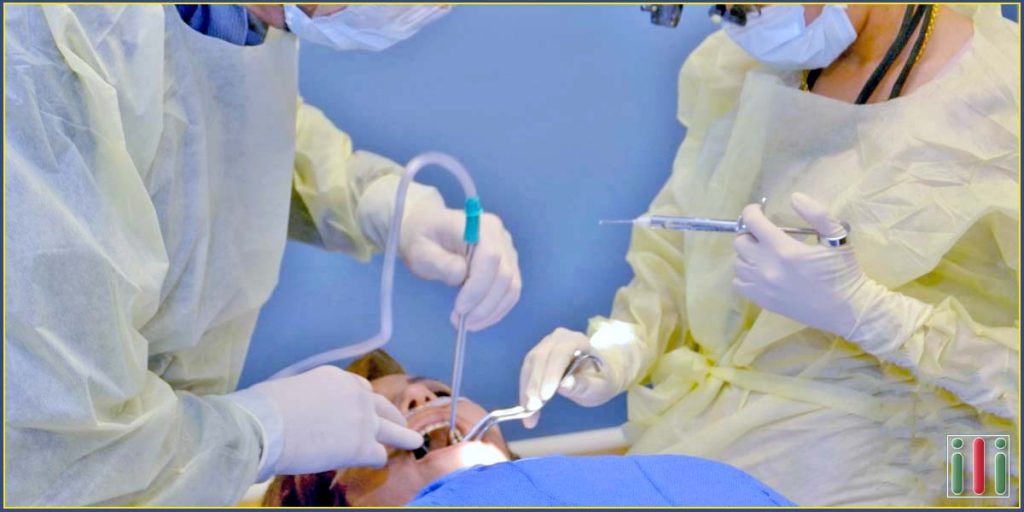
Types of dental surgeries, what to do to prepare properly
Introduction
Oral surgeries are among the most common procedures in modern dentistry, serving both preventive and restorative purposes. Whether a tooth must be removed because it cannot be treated conventionally, or a dental implant is needed to replace a missing tooth, oral surgery plays a central role in maintaining long-term oral health. As the source document notes, “oral surgery is mainly required for protection,” emphasizing that these procedures are often essential to prevent further complications. This article combines two major areas of the topic: the types of oral surgeries and the practical steps patients can take to prepare themselves physically and mentally for a successful procedure.
Oral surgeries related to preventive treatment
Preventive oral surgeries are performed when a tooth cannot erupt properly, becomes severely decayed, or poses a risk of infection. Some teeth remain partially or fully trapped beneath the gums, which can lead to inflammation or cyst formation. In such cases, surgical removal is often the safest and most effective solution. Wisdom teeth are particularly prone to these issues, as they frequently lack sufficient space to erupt correctly or may be positioned abnormally within the jawbone.
When a tooth crown is destroyed by decay and only the root remains, conventional extraction is often impossible. Surgical removal becomes necessary to prevent infection and protect the surrounding tissues. Regular dental check-ups are crucial, as early detection can prevent more serious complications that require invasive intervention.
Dental implant oral surgeries
mplant-based restorations represent another major category of oral surgery. A dental implant is an artificial tooth root made from high-purity titanium alloy, designed to replace the natural root and support a denture. There are two primary implant methods: the traditional two-phase implant and the immediate loading one-phase implant.
The traditional two-phase implant requires a more complex surgical approach. The gums must be opened to insert the implant, and the wound is sutured afterward. While the soft tissue heals within a few weeks, the implant itself needs 4–6 months to integrate with the bone. After this period, the gums are reopened to attach the abutment and the final crown. This method is reliable but involves multiple surgeries and is not suitable for patients with significant bone deficiency.
The immediate loading one-phase implant offers a simpler alternative. As the document states, “the use of this method does not require a gingival incision,” because the surgeon determines the implant position precisely using imaging. This technique allows the implant to be placed in a single step, without reopening the gums later. It is especially beneficial for patients with poor-quality bone or bone deficiency, and the temporary denture can often be completed in less than five days.
Some advantages of immediate loading implants include: – Minimally invasive procedure without opening the gums, – Immediate loadability, enabling rapid denture fabrication, – Suitable for patients with bone deficiency.
How to prepare for oral surgery
Proper preparation significantly increases the chances of a smooth, painless procedure and a fast recovery. Tooth extraction, root canal surgery, resection, or implant placement are typically low-bleeding, minimally invasive interventions, but mental and physical readiness still plays an important role.
Choosing conscious preparation instead of anxiety or fear helps patients remain calm and cooperative during the procedure. Emotional reactions are natural, especially when tooth loss is involved, as it may trigger frustration or self-blame. However, these reactions do not contribute to healing. Instead, patients should focus on maintaining a positive mindset and preparing their bodies for the upcoming surgery.
Mental preparation for oral surgery
A successful oral surgery begins with a stable emotional state. Patients who approach the procedure with confidence and trust in their dental team tend to experience less discomfort and recover more quickly. Avoiding self-blame or anger is essential, as these emotions drain energy needed for healing. Understanding that oral surgery is often necessary for long-term health can help patients accept the process more easily.
Physical preparation before surgery
Preventive measures are crucial for optimal healing. Before surgery, patients should undergo professional tartar removal and tooth polishing to reduce the risk of infection. Maintaining a clean oral environment supports faster recovery and minimizes complications.
Eating before oral surgery
A common question is whether patients should eat before the procedure. The answer is yes. Eating a light, nutritious meal helps stabilize blood sugar levels, reducing stress and preventing excessive saliva production during surgery. However, heavy or fatty foods should be avoided, as they burden the digestive system. Drinking water 1–2 hours before the procedure is recommended, but patients should not arrive with a full stomach. After surgery, soft, easy-to-chew foods are ideal, and dairy products should be avoided for a few days.
Medication considerations
Patients who take regular medications—such as heart medicines or antipsychotics—should consult their general practitioner before surgery. In some cases, temporary adjustments may be necessary. Dentists may prescribe antibiotics or painkillers when appropriate. Vitamin C supplements can support healing, but Aspirin should be avoided before and after surgery because it slows blood clotting. For major procedures, taking a day off to rest is advisable.
Summary
Oral surgeries play a vital role in both preventive and restorative dentistry. Whether addressing impacted teeth, severe decay, or preparing for dental implants, these procedures help protect long-term oral health. Conscious preparation—both mental and physical—greatly increases the likelihood of a smooth, painless experience and a fast recovery. By understanding the nature of oral surgeries and following professional recommendations, patients can approach their treatment with confidence and achieve optimal healing.
In our Articles section, there are many writings on the following topics: dentures with implants, dental implantation with one-phase and two-phase implants, and All-On-4 & All-On-6 technology.
We work with state-of-the-art dental tools, materials, and technologies.
30 years of experience, more than 35,000 successful implant placements, and a 99.7% success rate!
iliDent Patient Coordinator © Copyright 2020
ImmediateLoadingImplants.com


