DENTURES
WITH IMPLANTS
IN ANESTHESIA

30 + YEARS OF EXPERIENCE – 35,000 + IMPLANTATIONS – 99.7% SUCCESS RATE!

CONDITIONS FOR SUCCESSFUL DENTAL IMPLANT PLACEMENT

The success of a dental implant procedure depends on three essential factors: choosing the right implant system and surgical technology, preparing the patient properly, and relying on the expertise of an experienced implantologist. Modern implant dentistry is one of the most advanced and safest methods for replacing missing teeth. Thanks to innovative techniques, a fully functional, immediately loadable restoration can now be completed in as little as seven days, providing long‑term stability and an aesthetically natural result.

This article explains the key conditions required for a truly successful implant procedure and outlines how patients can enjoy the benefits of their new teeth for many years.

What determines the success of implant treatment
A predictable, long‑lasting outcome is influenced by several critical elements:
— Selecting the appropriate implant type and placement method,
— Ensuring the patient is well‑prepared and understands the process,
— Working with a highly trained implantologist who has extensive clinical experience.
When these factors align, implant‑based restoration becomes a reliable, life‑enhancing solution.

A comprehensive approach to full‑mouth rehabilitation
Implant‑based rehabilitation is far more than a simple tooth replacement. It is a complex, personalized treatment designed to restore function, comfort, and confidence. With today’s advanced one‑phase implant systems, patients can receive a stable, immediately loadable full‑arch restoration in a remarkably short time — often within just one week.

If you are considering implant treatment
If you have further questions or are looking for a trusted implantologist with decades of experience, we invite you to contact us. You can find all available contact options on this page.

CHOOSING THE RIGHT IMPLANT AND PLACEMENT METHOD

The foundation of successful implant treatment lies in selecting a modern implant and the appropriate placement technology. Four main methods are commonly used:
— Traditional two‑stage implant: Performed in two steps with a healing period of 4–6 months. This is the most widespread method used by many clinics, offering reliable long‑term results.
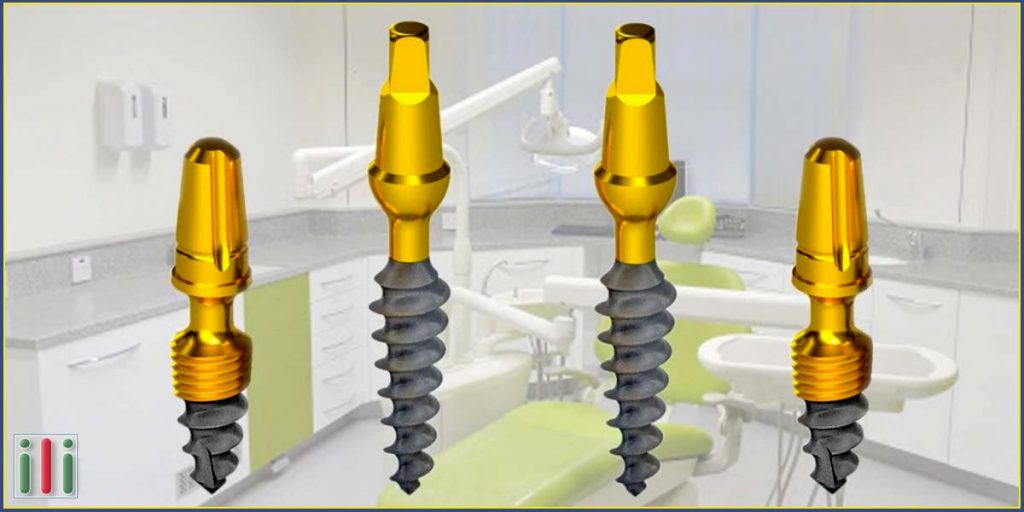
One‑phase, immediate loading implants: Completed in a single procedure, allowing the patient to receive a temporary restoration within just one week. Its advantage is that the patient does not remain without teeth during the healing period.
All‑on‑4 technology: Uses four implants to restore a full arch, particularly beneficial in cases where bone grafting is not possible. A temporary restoration can often be provided on the day of surgery.
All‑on‑6 technology: Based on six implants, this solution offers extra stability, especially when bone quality is favorable.
The choice is always personalized, depending on the patient’s bone condition, overall health, and individual needs.

THE EXPERTISE OF THE IMPLANTOLOGIST AND THE CLINIC’S TECHNOLOGY

Successful implant treatment requires both a highly trained specialist and a modern technological background. Precise teamwork — the coordinated efforts of the implantologist, dental technician, and assistants — ensures that a complete restoration can be delivered in as little as 7 working days.

Advanced diagnostic tools, such as 3D CT imaging, make it possible to plan and place implants with exceptional accuracy. An experienced specialist can identify potential risks and manage them appropriately. The clinic’s equipment and the use of modern materials also play a crucial role in achieving long‑term success.

LONG TERM CONDITIONS FOR SUCCESSFUL IMPLANT TREATMENT

Proper care is essential not only at the time of surgery but also years later. Patients must attend regular follow‑up examinations and maintain careful oral hygiene to protect their implants. Avoiding smoking and following a healthy lifestyle are key factors in ensuring that implants remain stable for decades.

While implants are designed to last a lifetime, the condition of the supporting bone plays a decisive role. For long‑term success, regular check‑ups and corrective interventions, when necessary, are indispensable.

It becomes clear that successful implant treatment is a complex process, requiring perfect harmony between human and technological factors. In Hungary, the high standard of dental care has made dental tourism flourish. We are proud that our clinic meets these demanding expectations, which is why both local and international patients place their trust in us.

IMMEDIATE LOADING ONE-PHASE DENTAL IMPLANTS

Immediate loading implants - Learn more about them

BEFORE & AFTER

LATEST ARTICLES

Implant placement aftercare, important information

IMPLANT PLACEMENT AFTERCARE

Implant placement aftercare, important information Introduction Among modern tooth replacement procedures, dental implant placement represents the highest technological standard; however, concluding the surgical phase is