
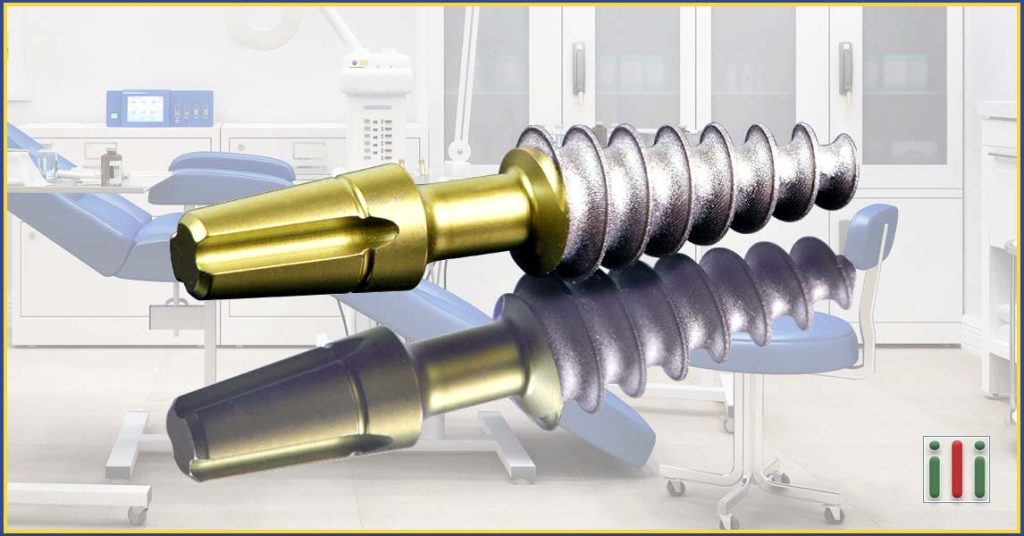
What are the most valuable benefits of one-phase implants? How is oral rehabilitation done?
Introduction
Modern full-mouth restoration relies increasingly on advanced implant technologies, and among these, the benefits of one-phase implants stand out for their efficiency, reliability, and patient comfort. Tooth loss is not merely an aesthetic concern; untreated dental problems can lead to significant health risks, affecting nutrition, systemic health, and overall quality of life. When teeth are no longer suitable for prosthetic treatment, they must be removed and replaced as soon as possible. While traditional dentures remain an option, implant-based solutions offer superior stability, function, and long-term outcomes. Our clinic specializes in one-phase implant-based oral rehabilitation performed under general anesthesia, allowing patients to receive comprehensive treatment in a single visit. As the source document states: “The one-phase implant is implantable in a single phase. It means the removal of teeth unsuitable for dental treatment and the implantation of the implant.” This article explores the most valuable advantages of one-phase implants and explains how the oral rehabilitation process unfolds.
What makes one-phase implants different?
A dental implant is a high-purity titanium alloy screw that replaces the natural tooth root when inserted into the tooth bone or jawbone. While several implant systems exist, including traditional two-phase implants, one-phase implants, and other modern full-mouth solutions, the benefits of one-phase implants make them uniquely suitable for patients seeking fast, predictable, and minimally invasive rehabilitation.
Key distinctions include:
— One-phase implants are placed and loaded in a single surgical session,
— They allow immediate attachment of long-term temporary dentures,
— They consist of a single piece, reducing complexity and cost,
— They can be implanted in both tooth bone and jawbone,
— They can be inserted at various angles to reach optimal bone tissue.
These features make one-phase implants especially advantageous for patients with bone deficiency, as they allow placement in deeper, denser bone regions where two-phase implants often cannot be used.
The most valuable benefits of one-phase implant
The benefits of one-phase implants are numerous, but several stand out as particularly important for patients seeking full-mouth restoration.
First, the entire surgical process—including extractions, implant placement, and impression taking—occurs in a single visit. This is especially beneficial for patients traveling from rural areas or abroad, as it reduces the need for multiple appointments and minimizes travel and accommodation costs.
Second, one-phase implants are immediate loading implants. This means that long-term temporary dentures can be attached to the implants within a few days. As the document explains: “In practice, the temporary denture is ready within a few days after the implantation.” These temporary dentures provide chewing strength similar to natural teeth, although patients must avoid strong biting or chewing during the first weeks.
Third, the single-piece design of one-phase implants offers several advantages:
— Lower cost due to fewer components,
— Faster and simpler implantation,
— Reduced surgical risk,
— Easier replacement if needed in the future.
Fourth, one-phase implants can be placed not only in the tooth bone but also in the jawbone. This is crucial for patients with bone deficiency, as it allows implant placement in areas where two-phase implants cannot be used. This broader applicability often eliminates the need for bone grafting.
Fifth, one-phase implants can be inserted at various angles, not only perpendicularly. This flexibility allows the surgeon to anchor the implant in the most suitable bone tissue, further reducing the need for bone replacement procedures.
In most cases, the use of one-phase implants makes bone grafting unnecessary. Only in extremely severe bone loss situations is preliminary bone replacement required.
Oral rehabilitation under general anesthesia: step-by-step
One-phase implant-based oral rehabilitation is performed under general anesthesia to ensure complete comfort and eliminate pain or anxiety. The process begins with laboratory tests and an ECG. If the results are satisfactory, the patient meets with the anesthesiologist, who reviews medical history, explains the anesthesia process, and confirms suitability. Once cleared, anesthesia begins, and the surgical phase starts.
Removal of teeth unsuitable for prosthetic treatment
Most patients requiring full-mouth rehabilitation have teeth that are no longer viable. These must be removed before implant placement. Tooth extraction is usually straightforward, although certain cases—such as retained roots or impacted wisdom teeth—may require more attention.
Implant placement
The core of the procedure is the placement of one-phase implants in the upper jaw, lower jaw, or both, depending on the patient’s needs. Typically, 8–10 implants are inserted per jaw. The implants pass through the gums into the tooth bone or, when necessary, into the jawbone. After implantation, a panoramic X‑ray is taken to verify that each implant is positioned correctly according to the treatment plan. Sutures are removed 5–6 days later.
Long-term temporary dentures
The first phase of oral rehabilitation concludes with the preparation and delivery of the long-term temporary dentures. The patient returns the day after implantation for a control examination. Additional follow-up visits may occur until suture removal. After 5–6 days, impressions are taken for the metal framework that supports the temporary dentures. These temporary dentures provide functional chewing ability and aesthetic appearance while the implants integrate with the bone.
Healing, ossification, and long-term stability
Healing after one-phase implant placement occurs in two stages:
— Soft-tissue healing: completed within a few weeks,
— Ossification: takes 3–5 months to form a stable bone‑implant connection.
During the first weeks, patients must avoid hard foods and follow a soft diet to protect the implants. Proper oral hygiene and scheduled follow-up visits ensure optimal healing and long-term success.
Why patients choose this method
The benefits of one-phase implants make this method especially attractive for international patients and those seeking fast, reliable results:
— The entire surgical phase is completed in one visit,
— General anesthesia ensures a pain-free experience,
— Temporary dentures are ready within days,
— Bone grafting is often unnecessary,
— The method is suitable even in cases of bone deficiency.
With 30 YEARS of experience, more than 35,000 implants placed, and a 99.7% success rate, our clinic provides world-class expertise and predictable outcomes.
Summary
he benefits of one-phase implants make them one of the most effective solutions for full-mouth restoration. Their single-phase placement, immediate loadability, single-piece design, and suitability for patients with bone deficiency offer unmatched advantages. Combined with general anesthesia, the procedure is fast, comfortable, and highly predictable. Soft-tissue healing occurs within weeks, ossification stabilizes in 3–5 months, and long-term temporary dentures ensure immediate function. With decades of experience and exceptional success rates, one-phase implant-based oral rehabilitation provides a reliable, long-lasting solution for patients seeking complete oral restoration.
In our Articles section, there are many writings on the following topics: dentures with implants, dental implantation with one-phase and two-phase implants, and All-On-4 & All-On-6 technology.
We work with state-of-the-art dental tools, materials, and technologies.
30 years of experience, more than 35,000 successful implant placements, and a 99.7% success rate!
iliDent Patient Coordinator © Copyright 2023
ImmediateLoadingImplants.com